
An excuse to sail
The idea began in Brest in November 2017. Safe after the troubles in Biscay, I went looking for the shower-block code and met a young family aboard the neighbouring boat: he was a fisherman, she a beekeeper from Ushant. I filed that away for another day.
I had passed Ushant many times, always on the way somewhere else. Now the island could be a destination in its own right. A search for its honey seemed a good mission—and a good excuse for a sail.
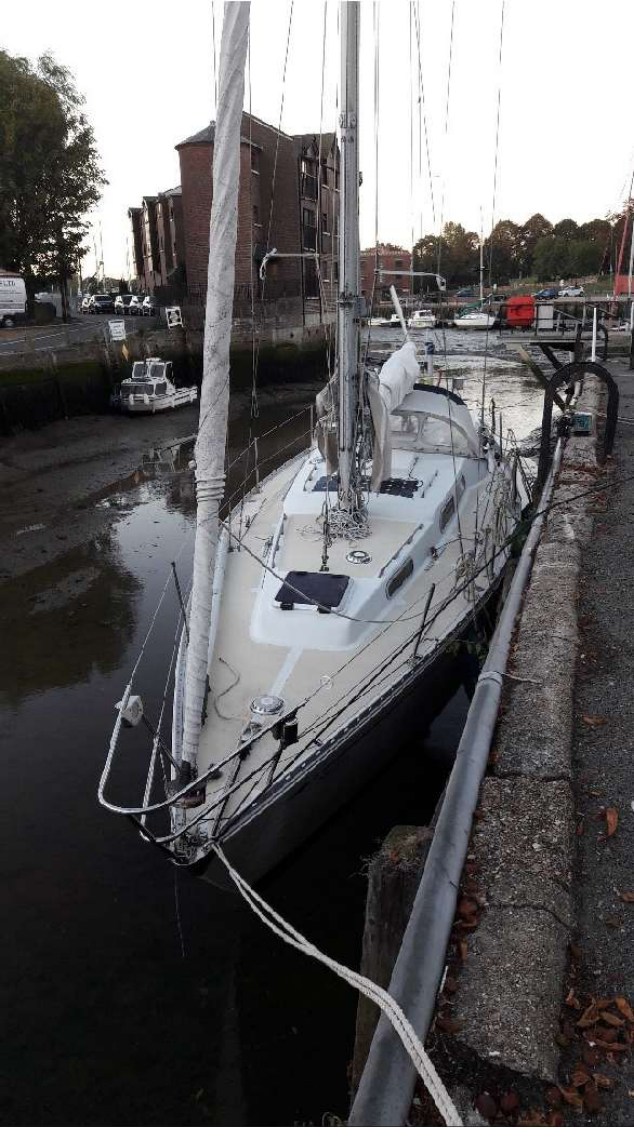
In September 2018, a fair-weather window arrived. I was also due to write an account of the Falmouth–L’Aber Wrac’h crossing. With Slamat’s hull scrubbed at Newport, we were ready to go.
West through the fog
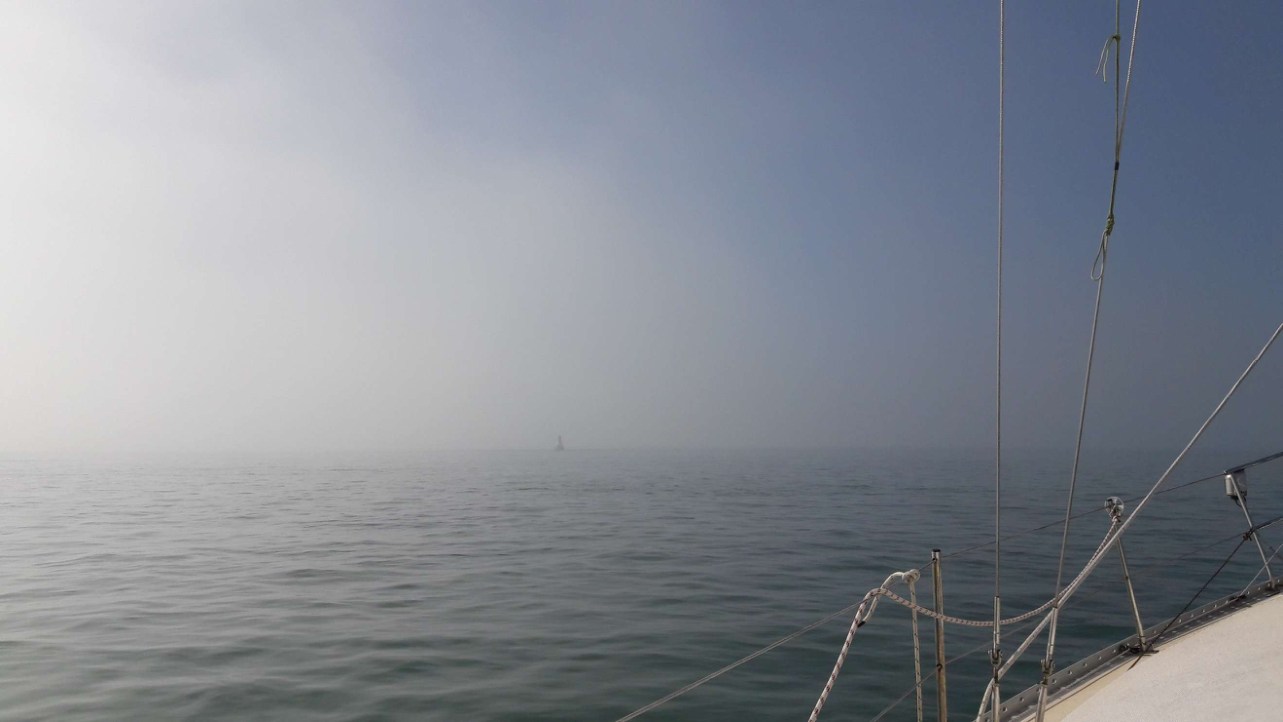
The morning brought cold and thick fog. West of Cowes, visibility was less than fifty yards. I motored slowly along the edge of the channel, keeping eyes and ears open. AIS helped identify some vessels; others appeared only as bow waves through the mist.
A night sail to Falmouth
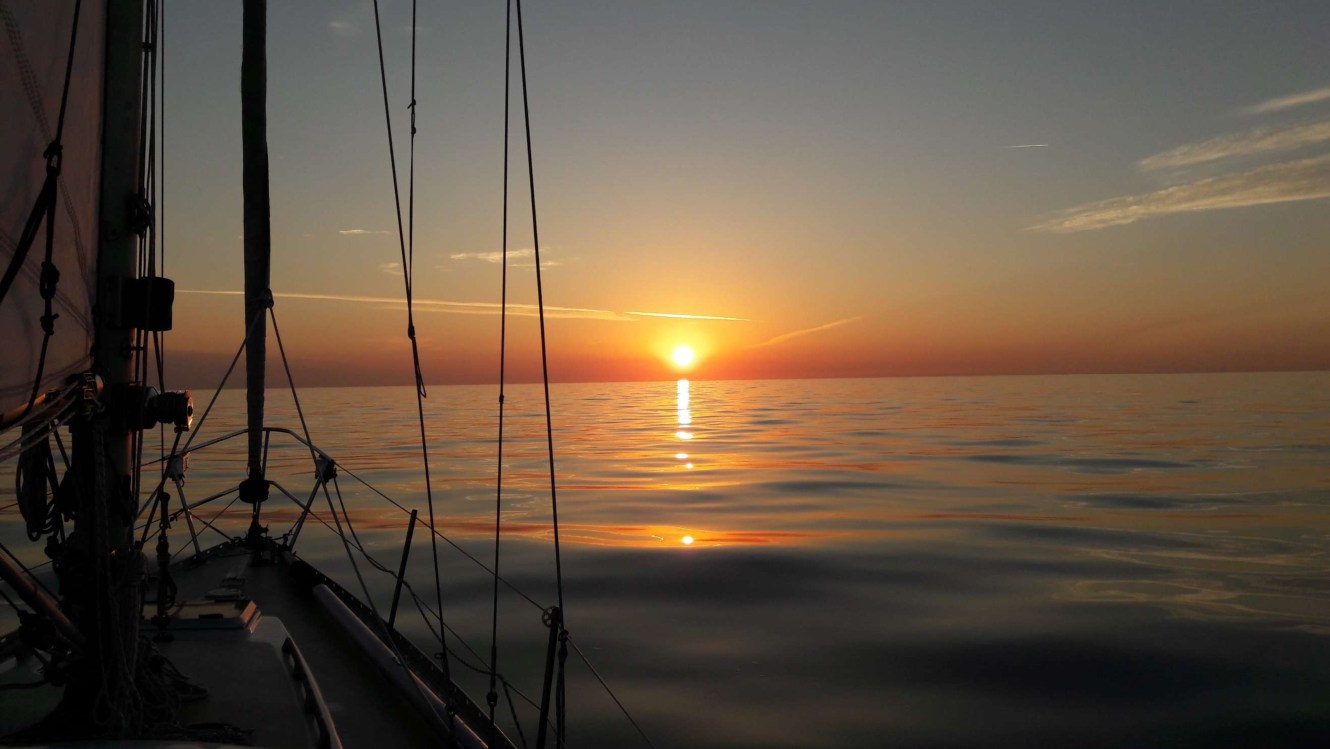
At Hurst there was hope of the fog lifting. Beyond the Island, sunshine and flat water gave way to a light north-easterly. By midnight we had a reef in and a building sea: beautiful sailing, with the wind over my left shoulder and a following sea.
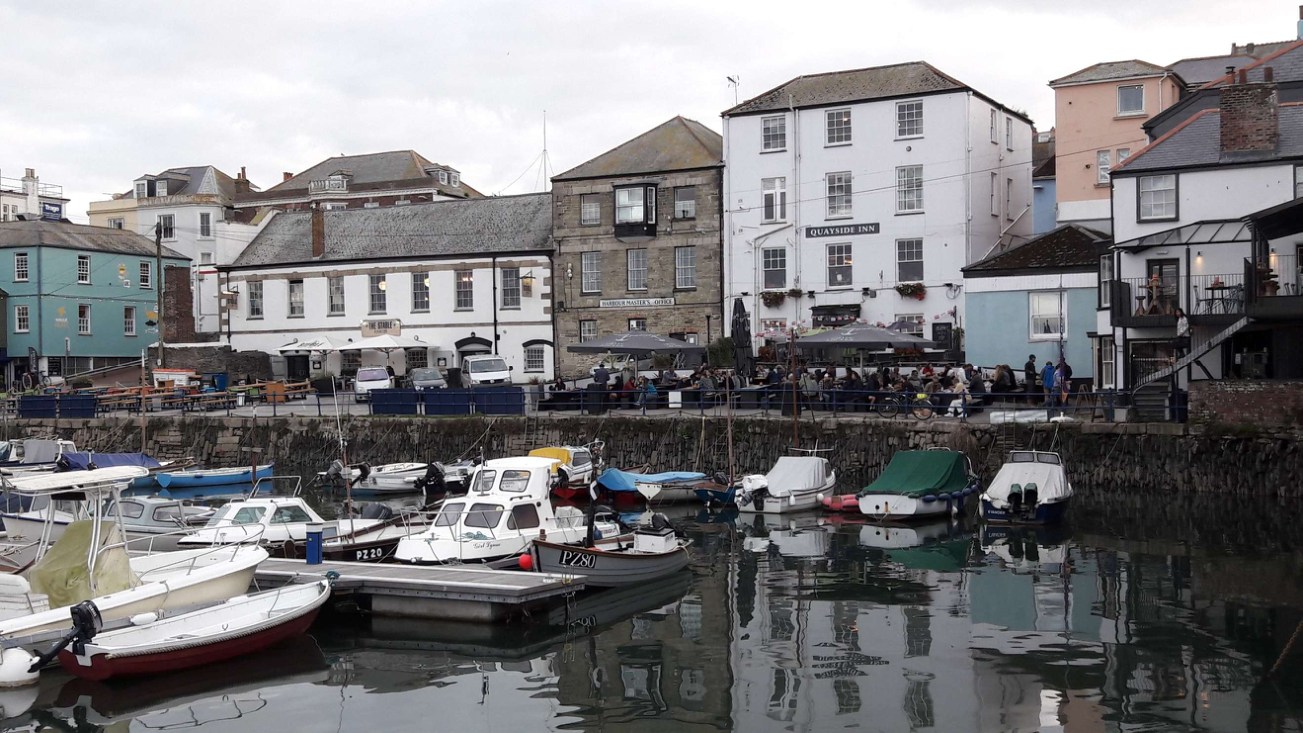
With little shipping about, I took a couple of cat naps as we made west. By eleven the next morning, Slamat was tucked up in Falmouth. Fish and chips ashore, then sleep before the Channel crossing.
Across to Brittany
We slipped lines at 00:30. Clear of the local obstructions, Slamat settled onto course for L’Aber Wrac’h. Dawn brought shipping and fishing boats; later, sunshine, jade-green water and wind on the beam made for a cracking sail.
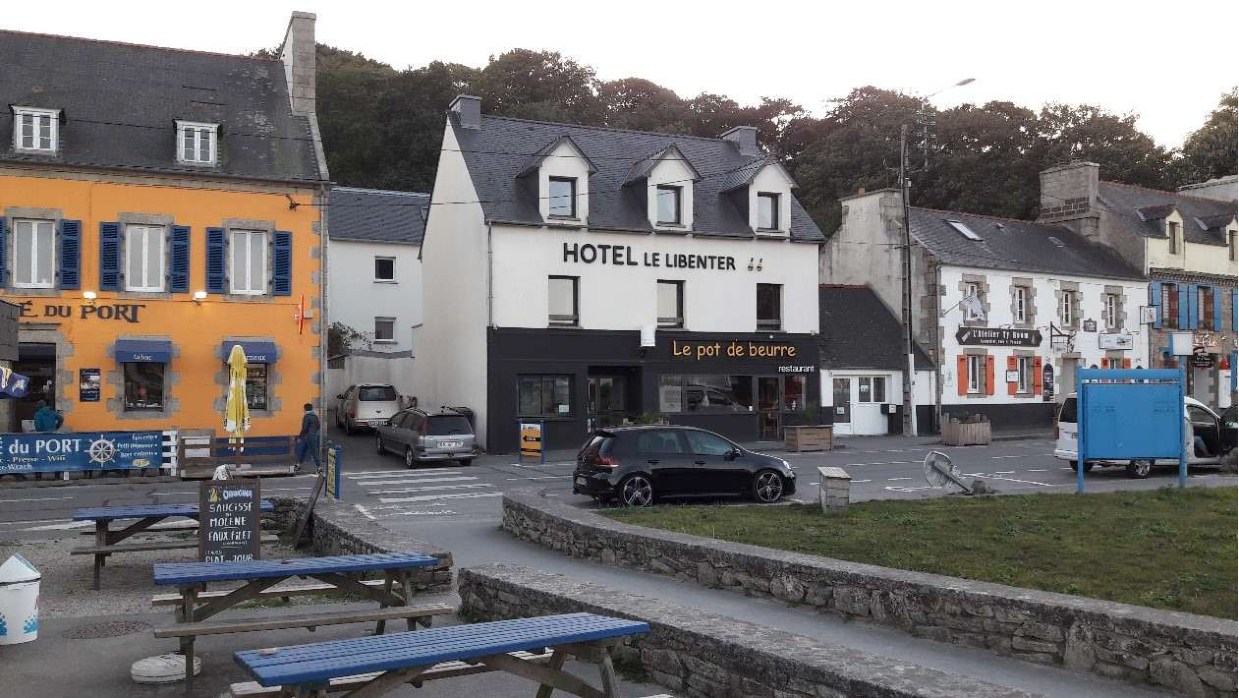
The final approach was lumpier as wind met the turning tide. Picking up the Libenter cardinal mark, I found the entrance and motored up the Grand Chenal. We had covered 101 miles in 16½ hours. With Slamat tidy alongside, dinner ashore rounded off a wonderful day.
Ushant—and the elusive honey
The next morning we sailed for Ushant in bright sunshine, flying the cruising chute in a light breeze. Even in these conditions, the signs of powerful water were everywhere: weed high on the lighthouses, folding seas around headlands and sudden drops in the seabed.
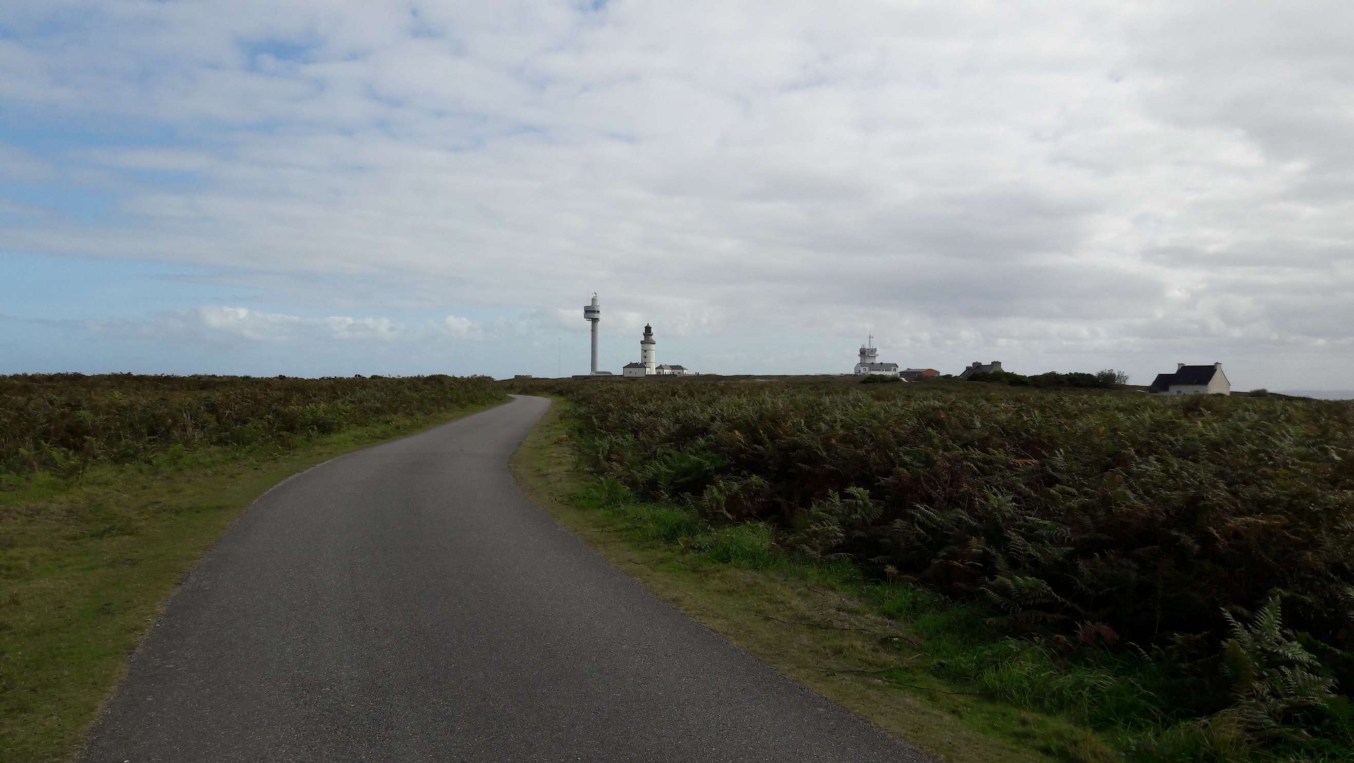
I secured to a visitors’ buoy in the Baie de Lampaul, had lunch in the sunshine and went ashore to find honey. Then I remembered: it was Sunday. Directions led me on a four-kilometre walk to the Stiff lighthouse, where the end-of-season market had already gone.
More research required
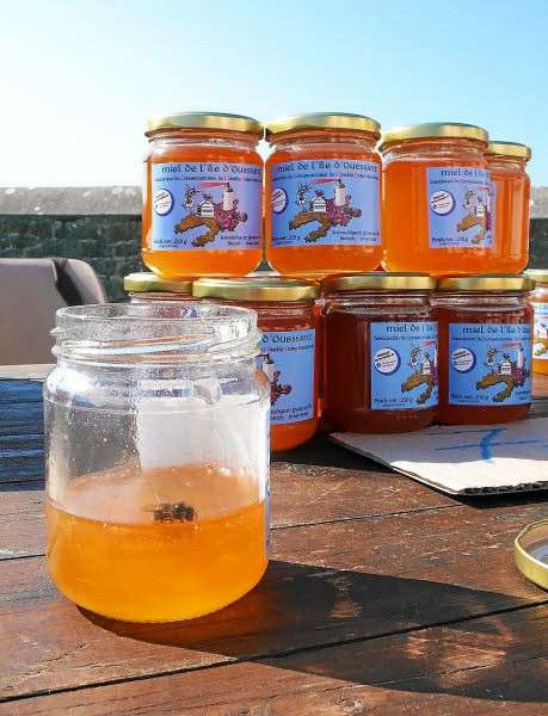
Back in town, the owner of a tea room told me that the local supply had sold out by May. She explained that much of the small harvest went to LVMH in Paris for skincare products and to selected chocolatiers. This was clearly special honey. Note to self: more research required.
Well that was that, I would have to settle for some comparably boring Breton honey from the supermarket! There was still dinner ashore and another half-day to enjoy the island, provision and talk with the locals. But the south-westerly swell was building and the anchorage was emptying. My time was up.
Home with the sea on the quarter
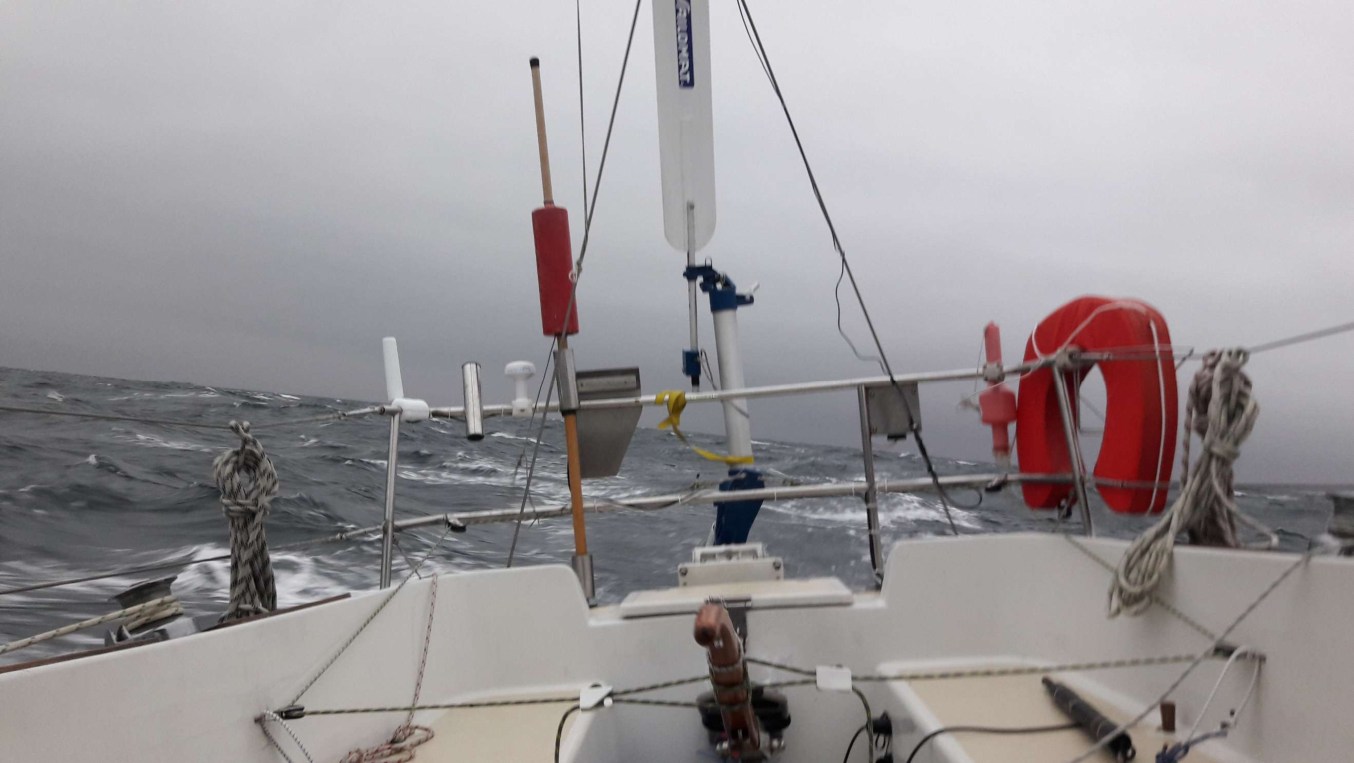
Leaving at 17:30, I gave the northern headland a very wide berth. Beyond the rough water around the island, the seas eased. Clear skies, Orion and a filling wind accompanied us east, south of the Channel Islands.
North of Alderney, I crossed the busy shipping lanes, then found a fair tide and the sea on the stern quarter. Gannets, a great skua and the changing seascape kept me company as we sailed towards home.
By 03:00, Slamat was back on her mooring in the Medina. We had sailed 510 nautical miles in six days, walked fifteen kilometres and failed to buy Ushant’s elusive black-bee honey. May bee next year.
Working précis for review, adapted from Jason’s original article.