
An arrival worth planning
“Thoughts of new lands beyond the distant horizon”… for some reason that’s pretty appealing. A passage to another country brings different geography, language, food and time, with the expectation of exploration beyond.
L’Aber Wrac’h lay ninety-odd miles from Falmouth. At six knots, I expected about fifteen hours at sea. Reading about the entrance from Falmouth made it look daunting: leading lights, rocks and channels to negotiate. I wanted daylight for arrival and time to secure Slamat before dinner ashore.
Working backwards from an intended arrival at 16:00 BST meant leaving by 01:00. With the alarm set for midnight, I went ashore for fish and chips at the Harbour Lights.
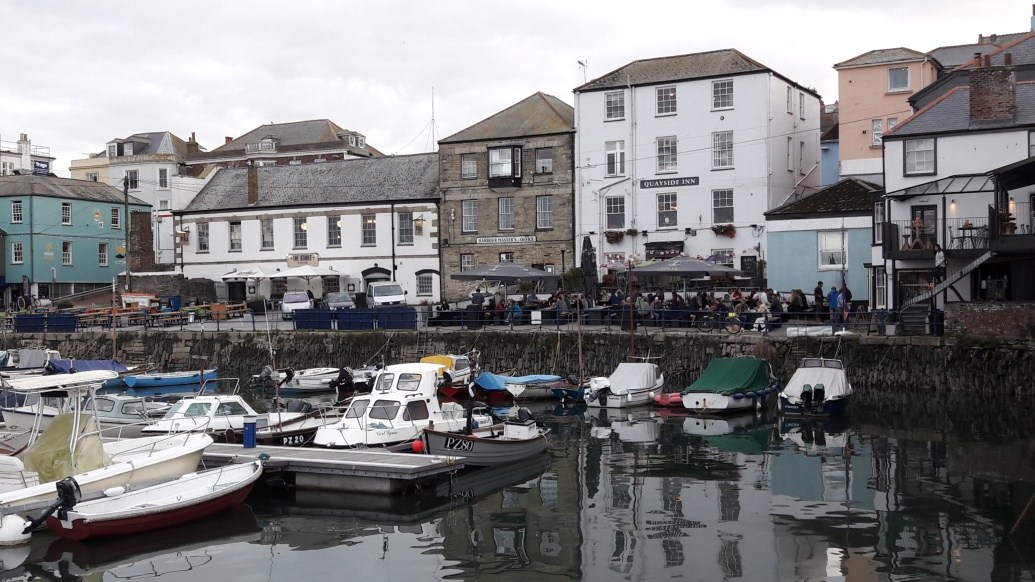
Clear of Falmouth
After making coffee, I sprung the bows off the berth and gently worked through the moorings. I raised the main with one reef and sailed through the eastern entrance, keeping clear of the fishing marks and other obstructions.
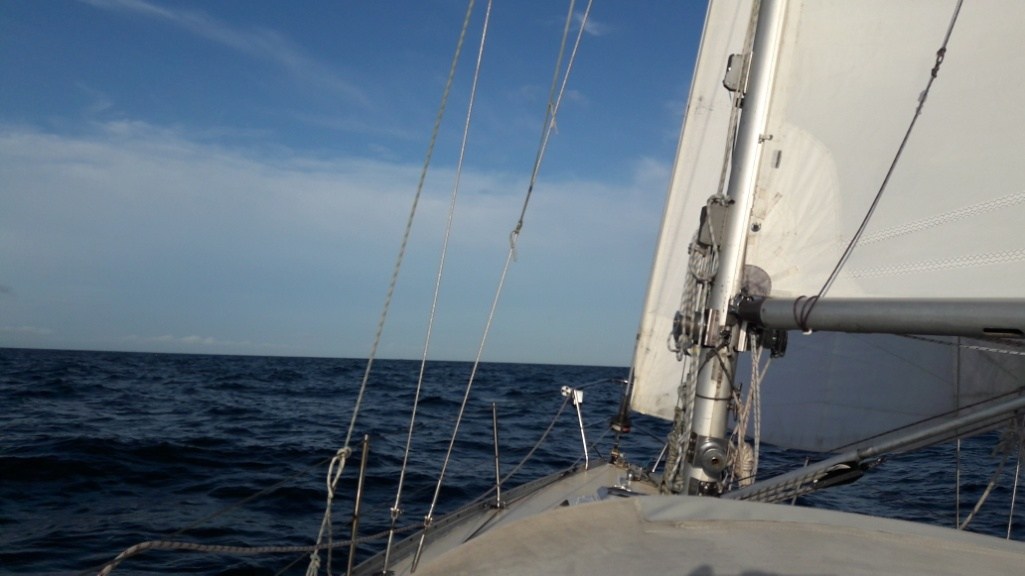
Outside the harbour, a short sea made Slamat lively. By 01:30 we were clear ahead, beyond the fifty-metre line, with more comfortable seas and fourteen knots of wind. Close-hauled on 175 degrees, we were on course for L’Aber Wrac’h.
By 05:00 we were crossing the west-going shipping. Fishing boats kept me busy, and AIS helped make sense of the traffic. At dawn the wind backed, letting me ease sheets and reduce the heel. Later, with the reef shaken out, Slamat was making more than seven knots, comfortable and fast.
A smell below
Going below for coffee, I had noticed a strange smell, almost like acetone. After a short nap I woke with a headache and nausea. Back on deck I felt better, but the cabin definitely smelled of fumes.
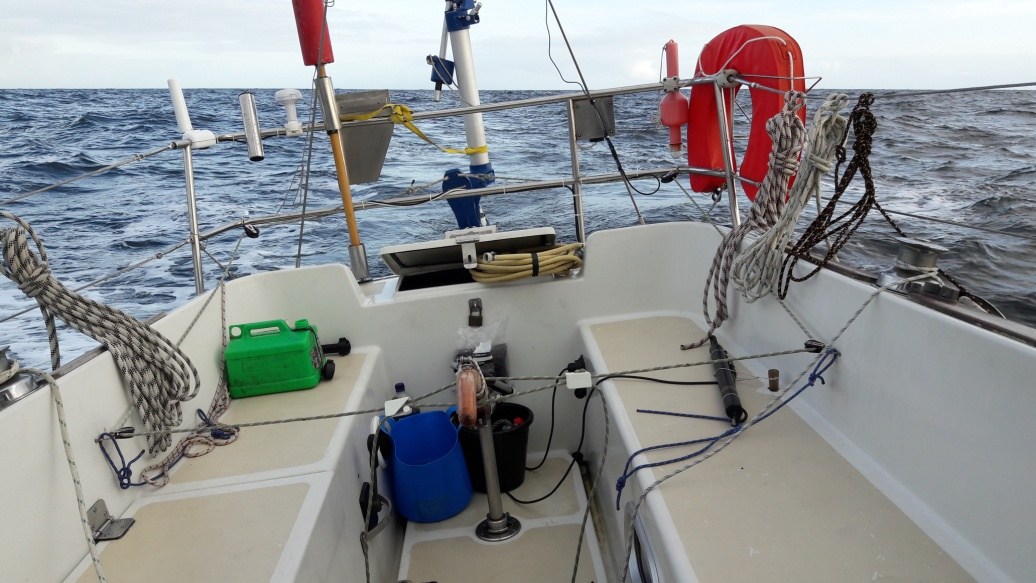
I spent an hour checking lockers and stowed products. In the aft lazarette I found the small plastic petrol can with a cracked lid. Petrol fumes must have been rolling down into the cabin. I was relieved to have found a definite cause to attribute the problem to.
The French coast ahead
Beyond halfway, the sun was out, the water jade green and the wind on the beam. There was time for a ship’s lunch: bread, pâté, cheese, cold meats and pickles.
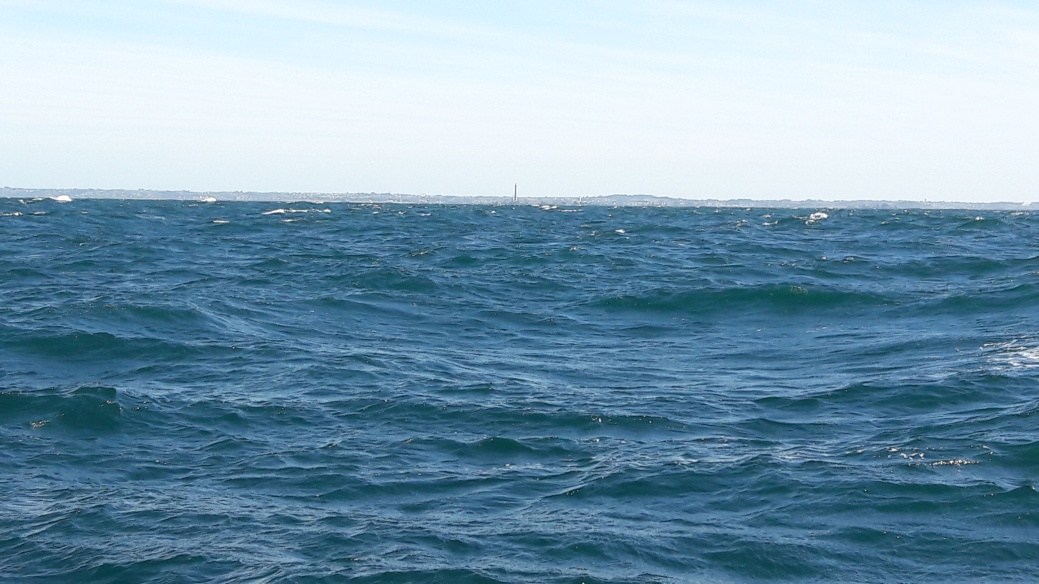
The afternoon brought stronger wind and a rougher sea as the tide set east. With about twenty miles to go, I could see a large tower on the horizon, which I took to be Île Vierge. The entrance lay about three miles west of it. I put in a reef and approached cautiously.
Finding the entrance
The coast was littered with rocks, but well marked. Finding the Libenter cardinal mark made the entrance far more straightforward than it had seemed from Falmouth. Inside, the seas moderated and we motored up the broad, marked channel.
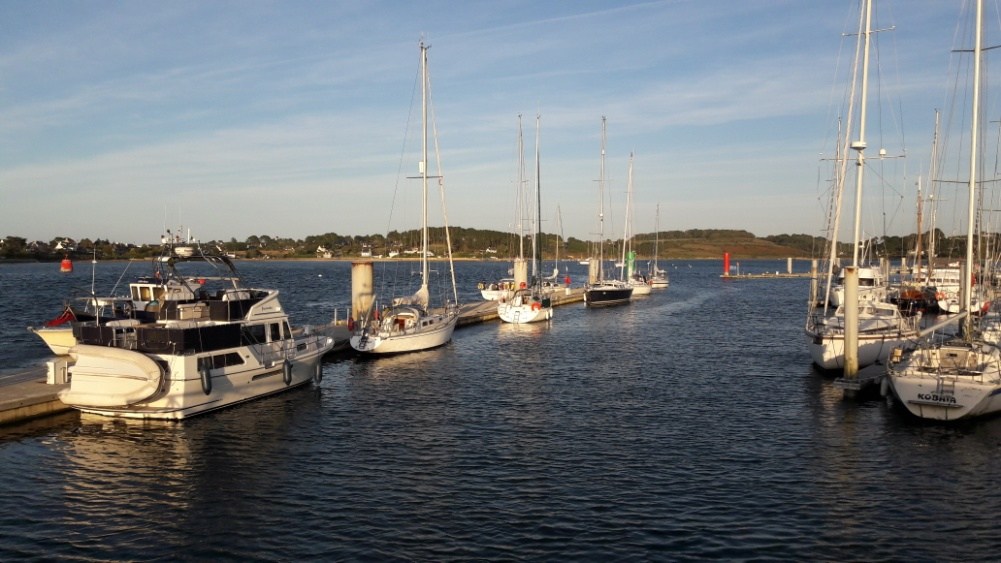
In twenty-five knots of wind I dropped the main, then prepared fenders and warps. Single-handed, I wanted a clear plan before reaching the berth: port side to on the inside of the visitors’ pontoon, facing into the wind.
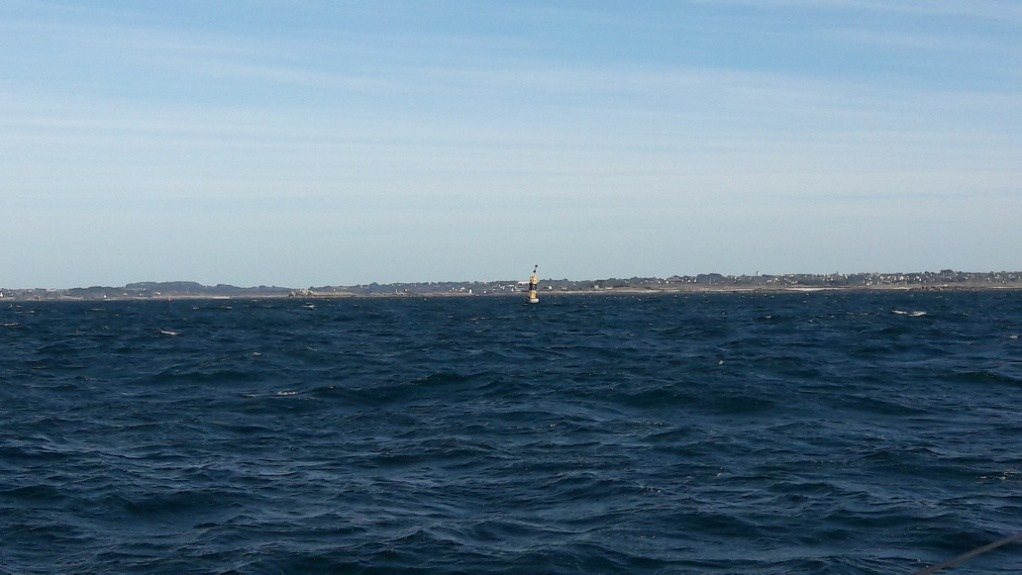
Alongside in Brittany
The wind was gusty and the turning space restricted, but with throttle and tiller I brought the bows into the wind and glided alongside. At 17:00 BST I turned off the engine. We had covered 101 miles on the GPS in sixteen and a half hours, dock to dock.
Entering French ports always gives me a sense of excitement. West Brittany’s rugged granite, strong tides and village life felt far from the beaten track. Ahead were short day passages, remote anchorages, interesting navigation and the chance to dust off my French.
Time for dinner
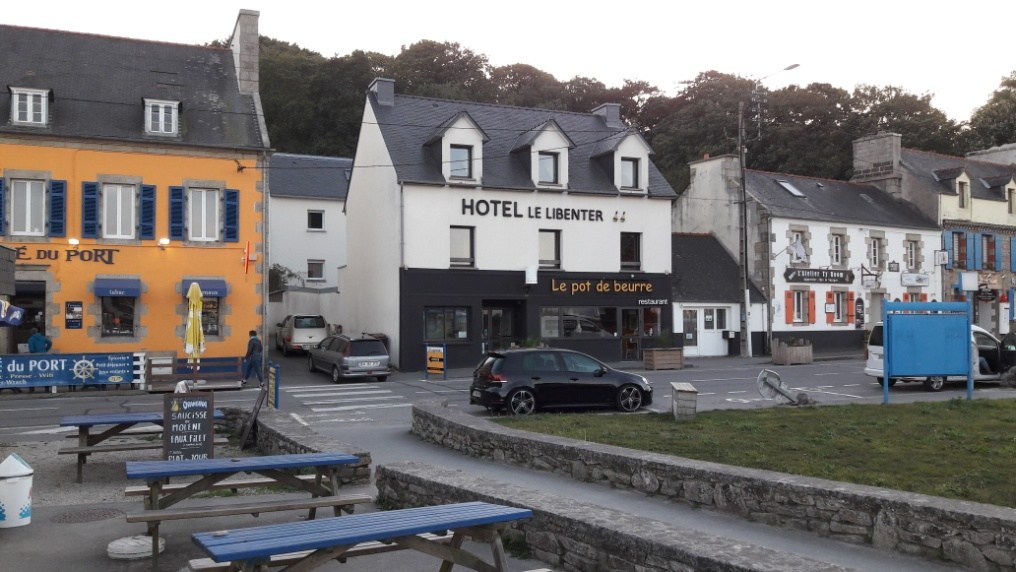
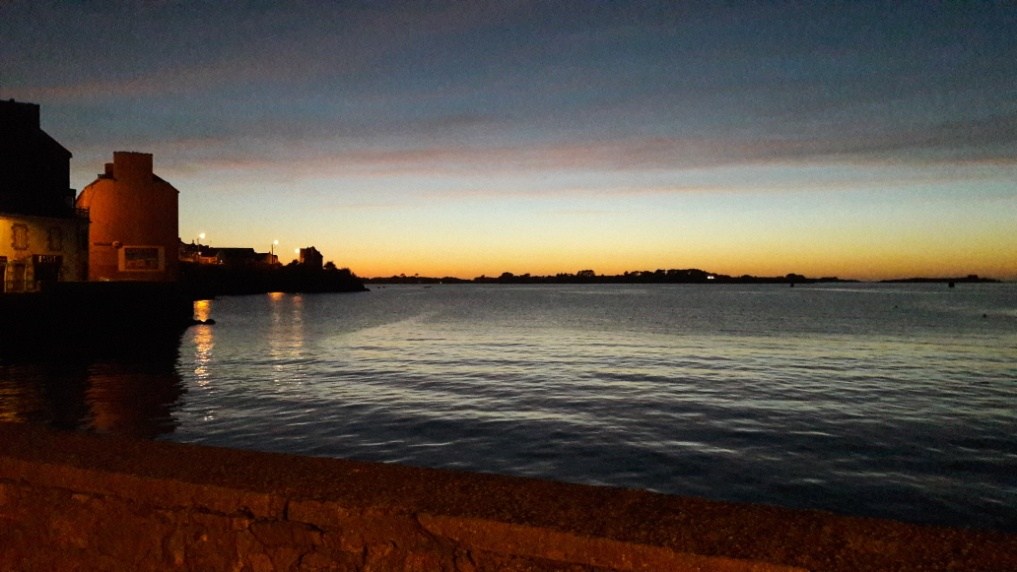
Time to freshen up and go ashore: a dozen oysters, goat’s-cheese salad and a small black coffee. Slamat was safely tucked up, and the passage had opened the door to new places.
Working précis for review, adapted from Jason’s original article.
← Previous: In Search of Honey